How Do Low Distortion Lenses Perform in Extreme Weather Conditions?
Whether dealing with standard low distortion lenses or other types, lenses face immense stress and rigorous testing under extreme weather conditions; indeed, the impact of such conditions can be catastrophic.
Ⅰ.Challenges posed by extreme weather to camera lenses
1.The test of extreme temperatures
The optical parameters of a lens are calibrated at a specific temperature, and temperature changes directly affect the optical performance of the lens.
Under conditions of extreme cold or heat, thermal expansion and contraction cause minute changes in lens curvature and inter-element spacing. This can lead to a loss of control over the otherwise minimal distortion, resulting in increased dispersion and aberrations, or even optical axis misalignment; simultaneously, the refractive index of the air between the lens elements also changes.
Consequently, lenses subjected to such extreme temperature variations are prone to focus shift, resulting in blurred images.
2.The test of damp weather such as rain, snow, and fog
Weather conditions such as rain, snow, and fog introduce significant moisture and water vapor. Low distortion lenses cannot inherently withstand this moisture; without a robust sealing design, exposure to high humidity can lead to condensation on the lens surfaces or within the internal structure. This reduces light transmission and causes image haziness or even distortion.
At the same time, there is also the risk of fogging and mold growth on the internal components of the lens.
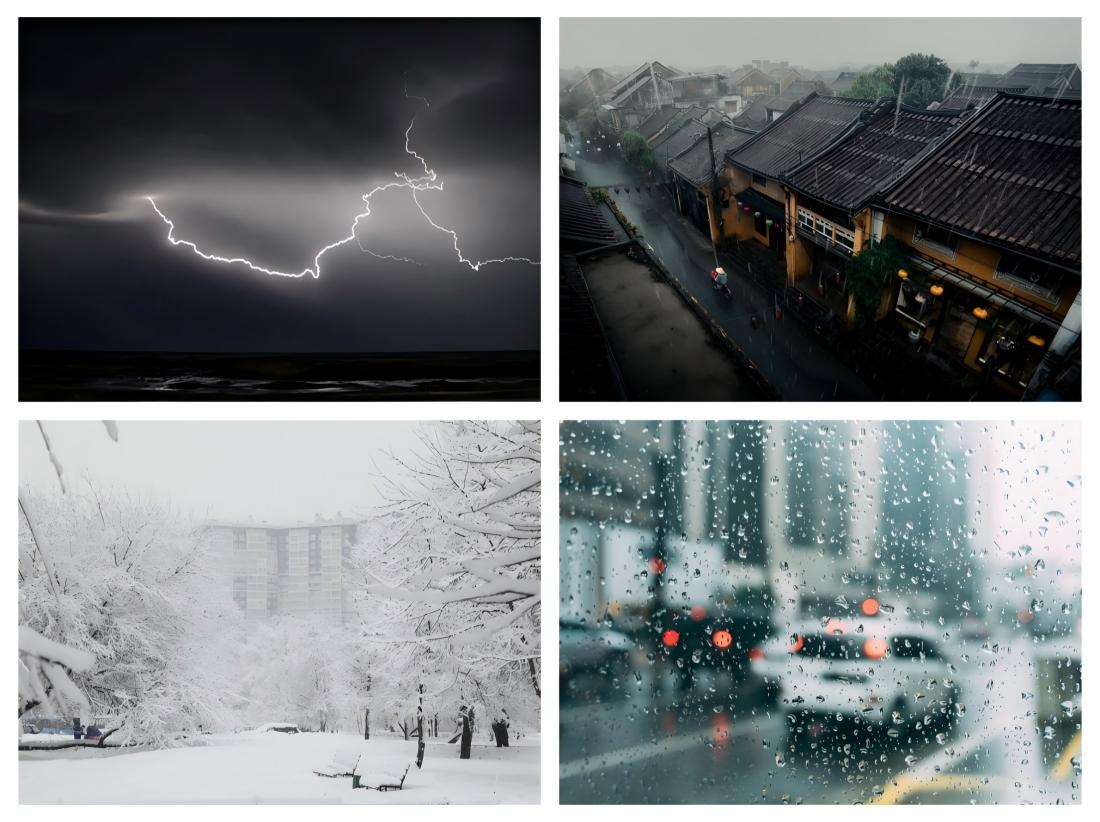
Rain, snow, fog, and other weather conditions have brought great challenges
3.The test of sand and dust
In weather conditions such as sandstorms, dust, and smog, the lens surface and mechanical structure can become contaminated, leading to blurred images or equipment malfunctions. Particles in sandstorms and smog can also scratch the lenses, and severe smog can reduce image clarity.
Ⅱ.How low distortion lenses cope with extreme weather
Faced with the rigorous challenges of extreme weather, modern professional- and industrial-grade low distortion lenses—utilizing high-quality materials, advanced optical designs, and precision manufacturing processes—are capable of maintaining normal operation in extreme environments.
1.Preferred manufacturing materials
To maintain absolute stability across temperature fluctuations spanning over a hundred degrees, professional-grade, low-distortion lenses are constructed using premium materials—such as optical glass with an ultra-low coefficient of thermal expansion and temperature-resistant polymers—for both the lens elements and the barrel.
Regardless of external temperature changes, the lens’s mechanical reference structure undergoes virtually no deformation, thereby locking in optical precision at a physical level.
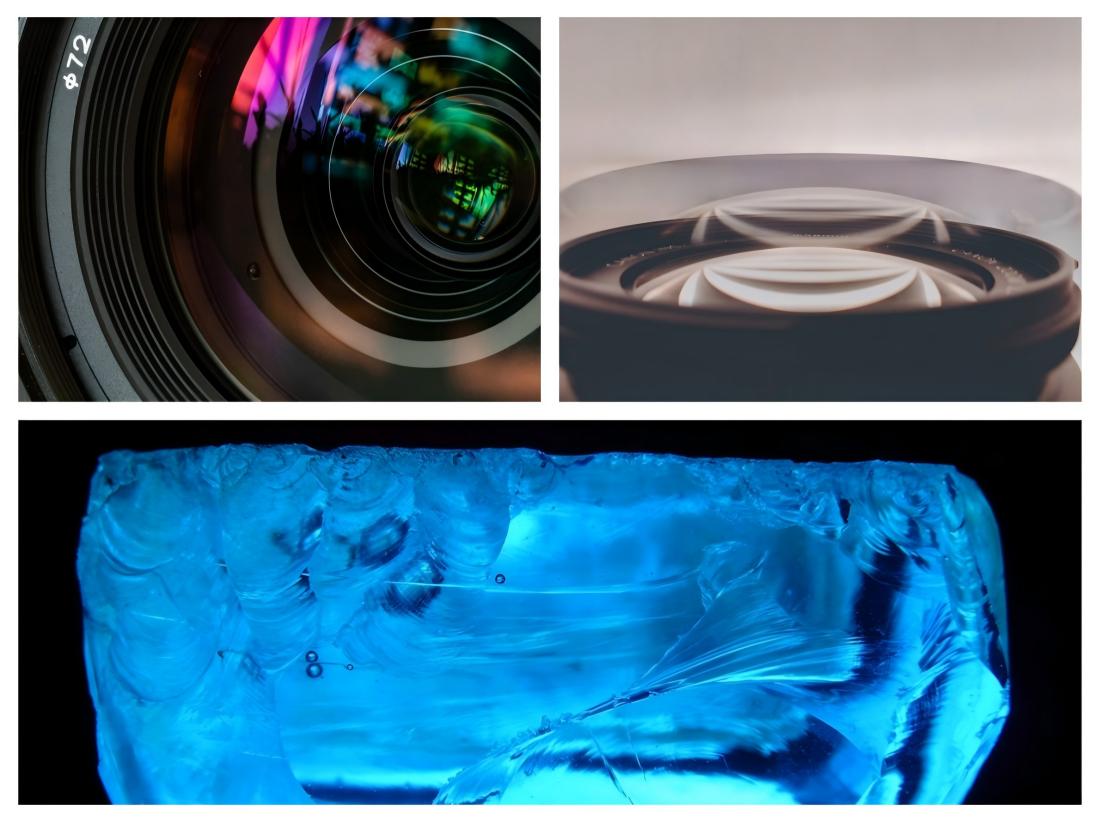
Professional-grade low-distortion lenses are made with high-quality materials
2.Adopting a sealing and weather-resistant design
In the design of professional low-distortion lenses, special coatings are applied to lens surfaces to repel dirt and water, while extensive sealing—such as gaskets—is incorporated around buttons and zoom rings.
Combined with a metal barrel and specialized surface treatments, this high-level sealing design effectively prevents the ingress of rain, dust, and salt spray, thereby protecting precision optical and electronic components.
Meanwhile, some special coatings can effectively suppress glare and ghosting, while others can reduce surface reflection and protect the lens.
3.Intelligent temperature control and dynamic compensation
Many modern, high-end, low distortion lenses feature an integrated array of high-precision temperature sensors capable of monitoring the temperature across various parts of the lens barrel in real time, with a resolution of 0.5°C or finer.
Upon detecting temperature fluctuations, an internal microprocessor instantly activates micro-motors to make minute adjustments to the spacing between lens elements; this automatic temperature compensation technology effectively eliminates focus shifts and distortion caused by thermal expansion and contraction.
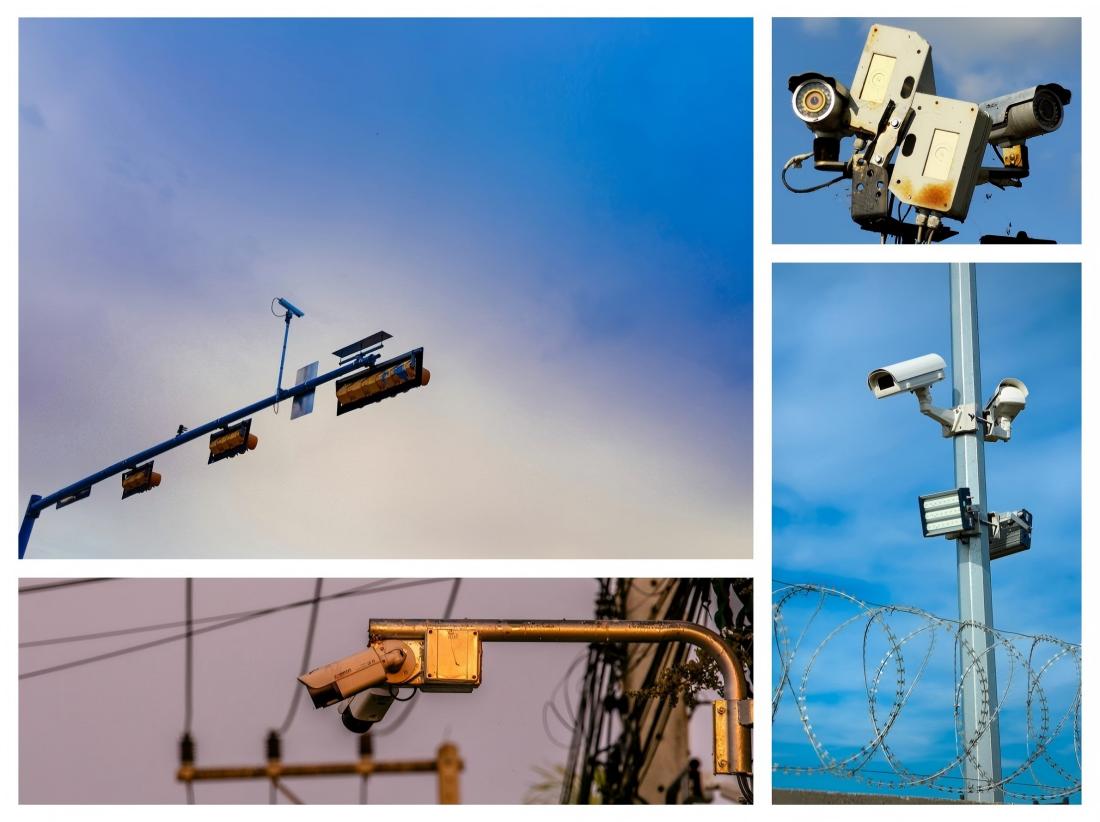
High-end low distortion lenses generally have intelligent temperature control functions
4.Application of optical defogging technology
Some low distortion lenses designed for low-visibility environments such as sandstorms and smog also use optical defogging technology. Through specialized multi-layer coatings and algorithms, they can effectively penetrate haze, rain, snow, and salt spray, significantly enhancing image clarity and contrast in low-visibility conditions.
In addition, some low distortion lenses use robust composite materials and buffer designs to withstand the violent vibrations and impacts brought by strong winds and giant waves, ensuring the stability of the lens optical axis and preventing image shake.
In summary, extreme weather conditions pose multifaceted challenges to lenses; only low distortion lenses—featuring high-quality materials, precision design and manufacturing, and the application of advanced technologies—can effectively withstand the threats of extreme environments and ensure the proper functioning of the optical system.